







Steering growth in chemical logistics
Liquid bulk-transported chemicals, such as petrochemicals, methanol, sulfuric acid, ethanol, lubricating oils, as well as commodities like vegetable oils and animal fats, form the backbone of the material economy. Many manufactured products, from clothes to cars, houses and electronics, rely on these industrial feedstocks and raw materials.
And as the global economy grows, so does the trade volume of these chemicals.
Historically, growth in chemical cargo tonnage has been closely correlated with global GDP. In 2023, more than 300mn tonnes of chemical cargo moved across the world, nearly 60% up from 2010.1
Seaborne trade for chemical cargoes and vegetable oils experienced a 59% growth from 2010 to 2023
During this period, key developments – such as China’s entry into the WTO and its emergence as the world’s factory, the shale gas revolution, and the rise of new chemical plants in the Middle East – have all boosted global chemical trade, explains Bongsik Han, director of MOL Chemical Tankers, part of the Mitsui O.S.K. Lines group.
And as the world’s population continues to grow and become wealthier, the chemical trade will keep expanding.
Analysts estimate that chemical logistics, spanning transport, storage and related services, will expand by up to 5 per cent annually to 2030.2 Much of this growth will come from the Asia-Pacific region, driven by a surge in petrochemical output from China, which has recently shifted from being a net importer to an exporter.3 However, managing the chemical supply chain is an extremely complex business.
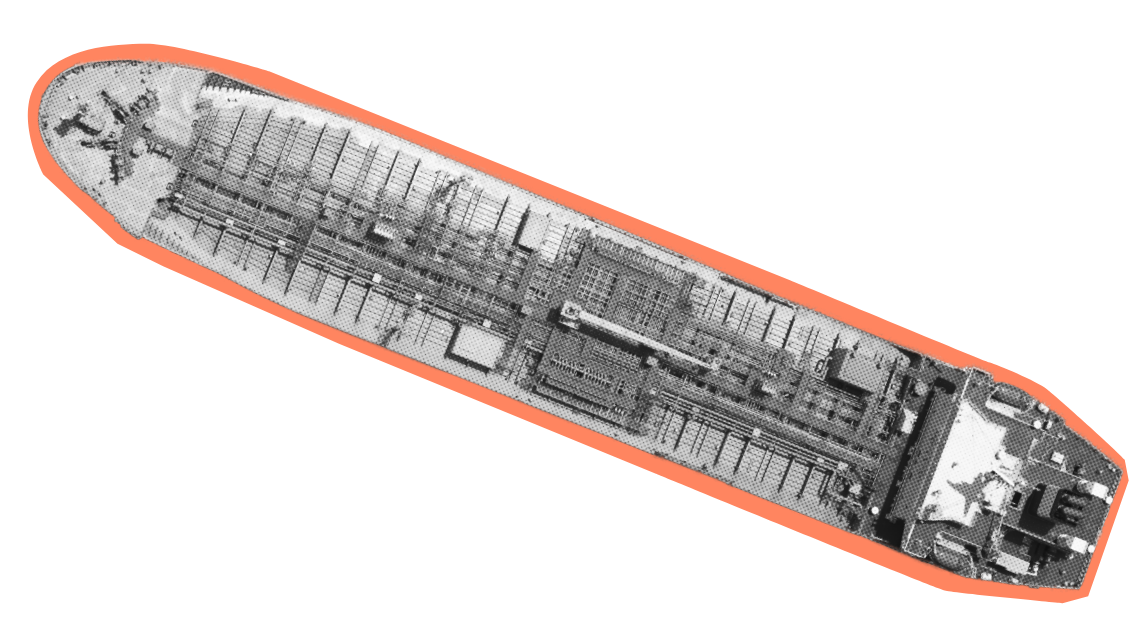
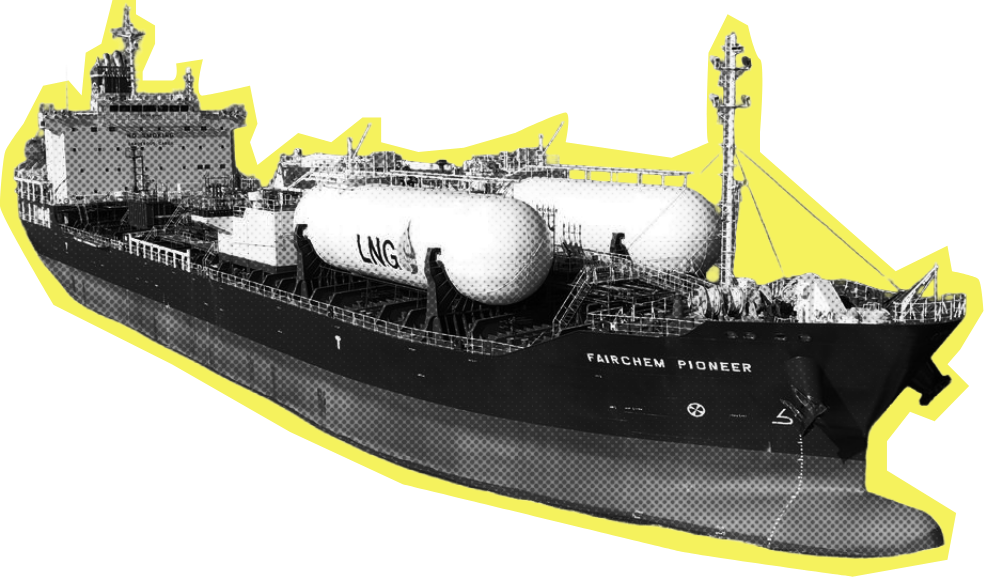
Shipping companies must possess not only global reach, but also technical, safety and regulatory expertise specific to each type of cargo. They must invest in stainless steel chemical tankers, each costing tens of millions of dollars.4 These vessels can carry multiple types of cargo simultaneously in separate holds, but each compartment requires specialised cleaning and handling at every stage of transport. Many of the chemicals being moved are flammable, corrosive or toxic, requiring stringent safety procedures and protocols.
Consolidation in the chemical trade
Only a few operators can meet such demanding requirements. Three operators are prominent, sharing about half of the total global deadweight tonnage (DWT) of large vessels with more than 20 stainless steel tanks, according to MOL.
Recently, these top players have engaged in a flurry of mergers and acquisitions activity and strategic partnerships, racing to expand shipping lanes, secure future tonnage and replace ageing fleets.5
“Recent consolidation and M&A in the chemical tanker industry are driven by the need for scale, efficiency and stronger market presence. Larger fleets help companies reduce costs, improve operations and gain better negotiating power,” says Han.
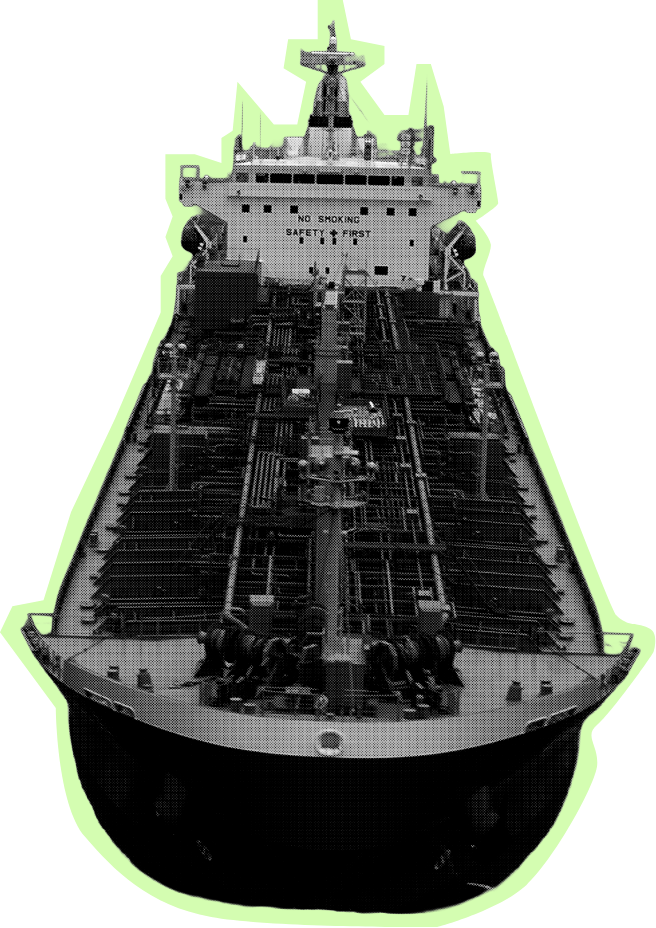
In this competitive seascape, MOL Chemical Tankers has been steaming ahead. Its acquisitions of Nordic Tankers, a Danish chemical shipping company, in 2019, and Fairfield Chemical Carriers, a US-based operator, in 2024, have given it one of the largest chemical tanker fleets (114 vessels) and DWT capacity (2.92mn tonnes) for stainless steel tanks as of April 2025.
Number of Operating Vessels
(1975-2024)
Source: MOL
“With these two acquisitions, MOL no longer has any blank areas left and is finally able to cover the whole world,” says Han. “These mergers have expanded our fleet sizes, routes and service network, while improving operational efficiency and helping to generate global contracts with chemical conglomerates.”
The sector is not only seeing horizontal consolidation, but also vertical integration. Major operators now aim to provide not just port-to-port shipping, but also onshore storage, handling and transport. Recent expansions include increased storage capacity at port terminals such as Kaohsiung, Houston and Dagenham.6
MOL has also been pursuing a vertically integrated vision of offering a “total chemical logistics service system.” In 2019, it partnered with Den Hartogh, a Netherlands-based tank container operator specialising in small-lot chemical container transport.
In June 2025, MOL completed a $1.7bn deal to purchase LBC Tank Terminals, one of the world’s largest tank terminal operators, with crucial hubs in the US Gulf Coast and Amsterdam-Rotterdam-Antwerp (ARA) industrial regions.
“Our aim is to expand into more stable, profit-generating businesses – not only within shipping but also in areas beyond it – and thereby generate synergies,” says Takatsugu Kozakai, deputy general manager at the product transport business management division at MOL. “The tank terminal business operated by LBC provides storage facilities that enhance our chemical tanker operations, while generating new commercial opportunities from our mutual customers who require both onshore storage and ocean transport.”Kozakai adds: “Through such vertical integration, we aim to enhance productivity in both vessel and terminal operations and improve logistics efficiency for clients.”
Chemical Supply Chain
Source: MOL

Meeting new energy needs
Like all other industries, the energy transition poses significant questions for the sector. What kind of market will emerge for new fuels such as ammonia, hydrogen and biofuels? How and where will they be stored, transported and used? Here, too, MOL is preparing to act.
“In addition to chemicals, the ammonia storage business is a market that will grow in the future as we move towards a decarbonised society,” says Kozakai.
Anticipating Europe’s expanding hydrogen demand, LBC plans to build a terminal in the Dutch city of Vlissingen to import, store and transform ammonia into hydrogen. The site is expected to open in 2028, with an initial storage capacity of 150,000 sq m and eventual scalability to 3.5mn tonnes per year. The company describes the terminal as “a key enabler of Europe’s hydrogen economy”.
“We have been expanding to strengthen our presence in the chemical logistics world,” says Kozakai. “By combining marine transport, tank terminals and container logistics, we aim to meet the diverse, evolving needs of chemical industry customers.”
Sources
- Drewry Chemical Forecast 2024
- https://www.mordorintelligence.com/industry-reports/global-chemical-logistics-market
- https://www.spglobal.com/energy/en/news-research/latest-news/chemicals/051024-china-turns-pp-net-exporter-for-first-time-in-march-amid-capacity-expansion
- https://www.icis.com/explore/resources/news/2024/06/11/11007526/chemical-tanker-prices-rise-as-much-as-75-since-2020-on-lack-of-liquidity-expert/
- https://www.xindemarinenews.com/m/view.php?aid=59063
- https://www.stolt-nielsen.com/news-insights/news/stolthaven-terminals-and-revivegen-joint-venture-will-help-meet-bulk-liquid-storage-demand-in-taiwan/
